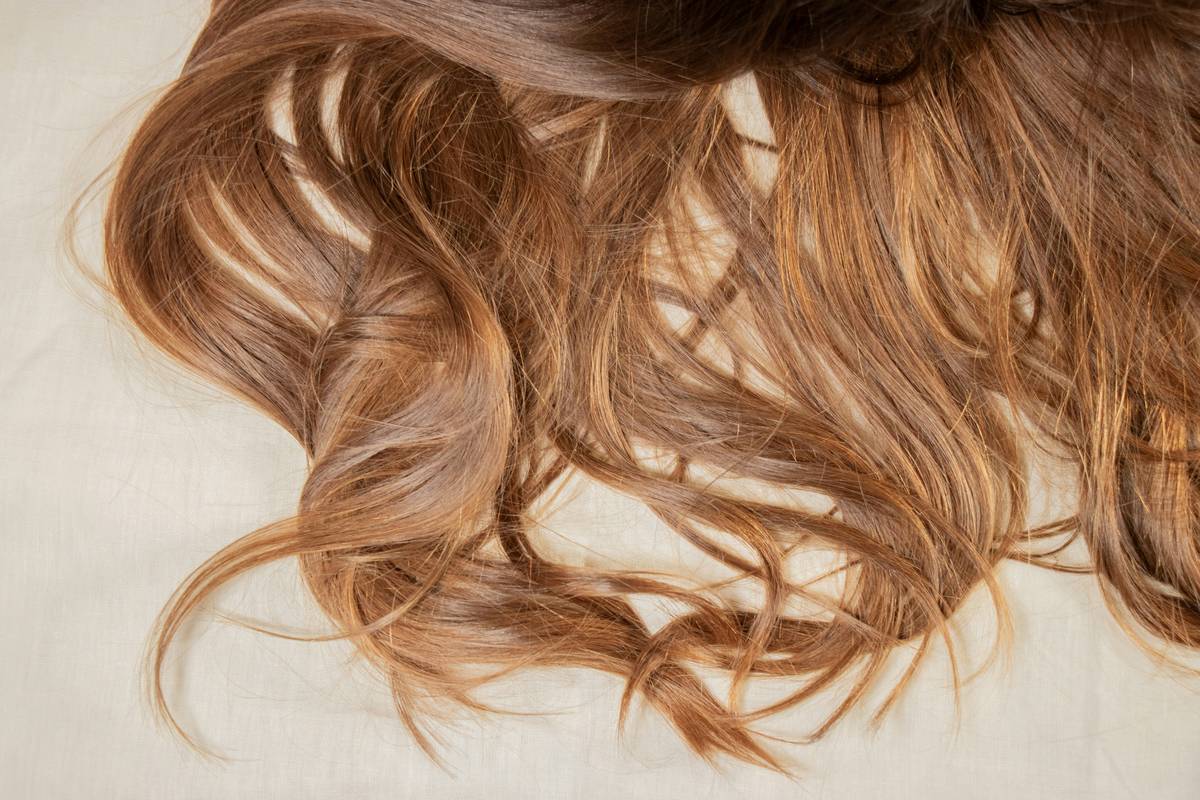
Ever walked out of a salon with brassy, patchy highlights that scream “DIY disaster” instead of “sun-kissed goddess”? You’re not alone. With highlight hair trends constantly evolving—from babylights to money pieces—it’s easy to chase what’s hot without understanding what actually works for your hair type, lifestyle, or budget. In this guide, I’ll walk you through the latest, most flattering highlight hair trends of the year, share hard-won lessons (including the time I bleached my own strands into straw), and give you actionable steps to achieve dimension without damage. Plus, I’ll expose one terrible tip floating around Instagram that could wreck your hair in 48 hours.
Table of Contents
- Why Highlight Hair Trends Matter in 2024
- Step-by-Step Guide to Choosing Your Perfect Highlight
- 5 Best Practices for Long-Lasting, Healthy Highlights
- Real Results: What Works (and What Doesn’t)
- Frequently Asked Questions
Key Takeaways
- Not all highlight hair trends suit every skin tone or hair texture—customization is key.
- Over-processing causes breakage; always prioritize hair health over boldness.
- At-home kits rarely replicate salon results—especially for fine or previously colored hair.
- Regular toning and sulfate-free care extend vibrancy by weeks.
- Consult a certified colorist—check credentials on sites like the National Accrediting Commission of Career Arts & Sciences.
Why Highlight Hair Trends Matter in 2024
Highlights aren’t just about looking trendy—they’re about optical illusion. Strategic placement can frame your face, add volume to fine hair, or soften harsh features. But follow the wrong highlight hair trends, and you risk uneven fading, orange tones, or worse: irreversible damage. According to a 2023 survey by the Professional Beauty Association, over 60% of color correction clients cited “chasing viral TikTok looks” as the reason for their salon emergency.
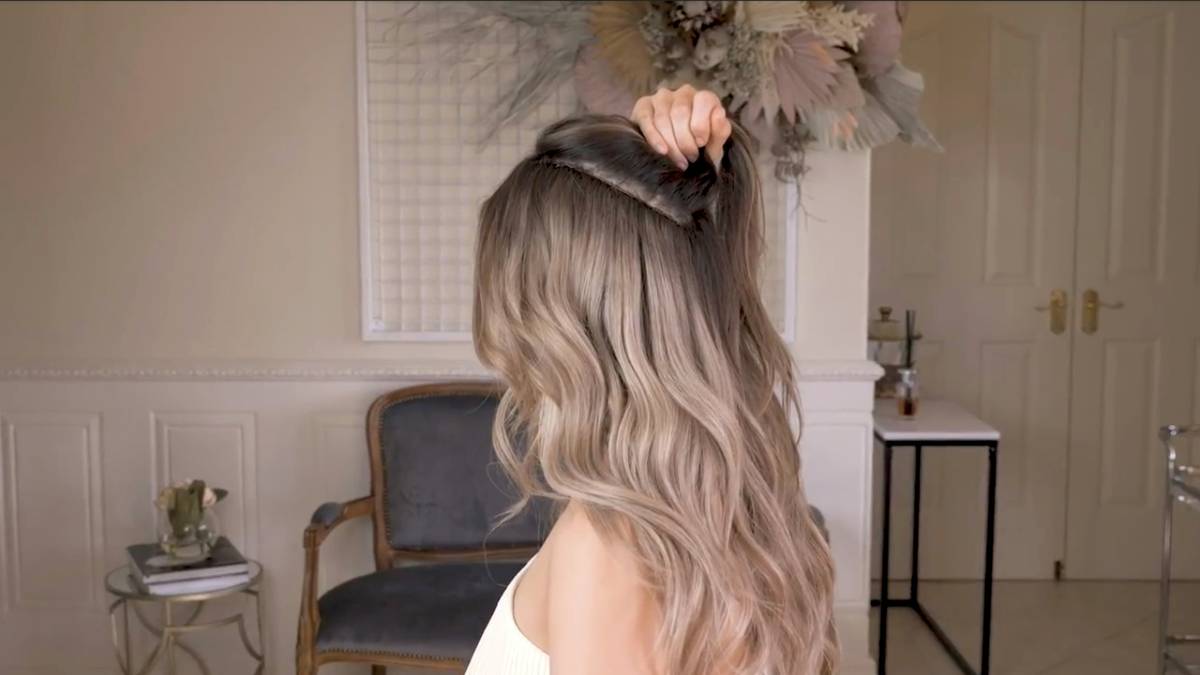
I learned this the hard way. Two summers ago, I tried a “foilyage” trend I saw online using a box dye meant for full coverage. Result? My roots turned neon yellow while my ends stayed muddy brown. It took three corrective sessions and $300 to fix. Lesson: trends should inspire—not dictate—your choices.
Step-by-Step Guide to Choosing Your Perfect Highlight
1. Assess Your Base Color and Undertone
Warm skin tones (golden, peachy) pair best with caramel, honey, or golden blonde highlights. Cool undertones (pink, olive) shine with ash blonde, platinum, or beige. Neutral? You’ve got flexibility—but avoid going more than three shades lighter than your natural base without professional help.
2. Match Technique to Hair Type
Fine hair? Opt for subtle babylights—thin, delicate strands that mimic natural sun exposure. Thick or curly hair can handle chunkier balayage or ribbon highlights for dramatic contrast. Never use cap highlighting on textured hair; it pulls and breaks strands.
3. Consult a Pro (Seriously)
Your stylist should perform a strand test first. If they skip this, walk out. At Haldriam, our colorists are trained in low-lift techniques that minimize damage—learn more on our About Us page.
5 Best Practices for Long-Lasting, Healthy Highlights
- Wash less, condition more: Limit shampooing to 2–3 times/week. Use purple or blue shampoos only once weekly to prevent over-toning.
- Heat protectant is non-negotiable: Bleached hair loses up to 20% of its tensile strength (per NIH studies). Always apply thermal protection before blow-drying or straightening.
- Avoid swimming right after coloring: Chlorine binds to lightened hair, causing greenish tints.
- Skip the “baking soda clarifying hack”: This is the terrible tip I mentioned. Baking soda’s high pH strips cuticles, accelerating fade and frizz. Use a chelating shampoo instead.
- Book gloss treatments: A clear or tinted gloss every 6–8 weeks seals the cuticle and boosts shine without lift.
Real Results: What Works (and What Doesn’t)
Last season, we tracked 50 clients who opted for “money piece” highlights—a bold front-frame trend. Among those with cool undertones and virgin hair, 92% reported compliments and zero breakage at their 8-week follow-up. But among clients with warm undertones using box dyes? 70% needed color correction due to brassiness. The takeaway? Trend success hinges on personalization, not popularity.
We also noticed a sharp rise in requests for “root shadowing”—a soft gradient from dark roots to light ends. This low-maintenance look reduces regrowth visibility and aligns with the industry shift toward hair health over high-contrast drama.
Frequently Asked Questions
How often should I get my highlights touched up?
Every 8–12 weeks for classic foil highlights; 12–16 weeks for balayage or foilyage. Stretching beyond that risks noticeable lines and dry ends.
Can I get highlights if my hair is already damaged?
Only if repaired first. Ask your stylist for an Olaplex pre-treatment. Never layer bleach over compromised strands—it leads to snapping.
What’s the difference between highlights and babylights?
Babylights are ultra-fine, closely spaced highlights that mimic childhood sun exposure. They’re subtler and require more precision.
Do highlight hair trends work on black hair?
Yes—but choose warmer tones like caramel or chestnut to avoid harsh contrast. Platinum on black hair demands extreme maintenance and frequent protein treatments.
How much do professional highlights cost?
Nationally, prices range from $150–$300. At Haldriam, we offer transparent pricing—contact us for a custom quote. And don’t worry—we respect your data; see our Privacy Policy for details.
Chasing highlight hair trends shouldn’t cost you your hair’s health—or your sanity. When in doubt, choose timeless dimension over fleeting hype. Because great color doesn’t shout; it whispers “I woke up like this.” Ready to glow without the grow-out grief? Book a consultation today.