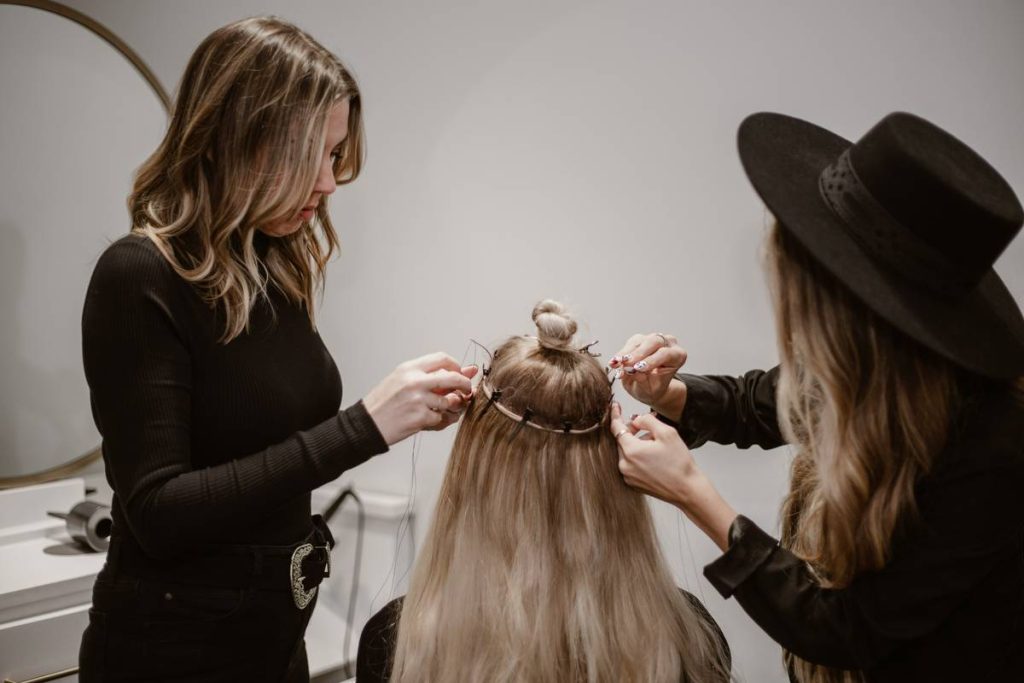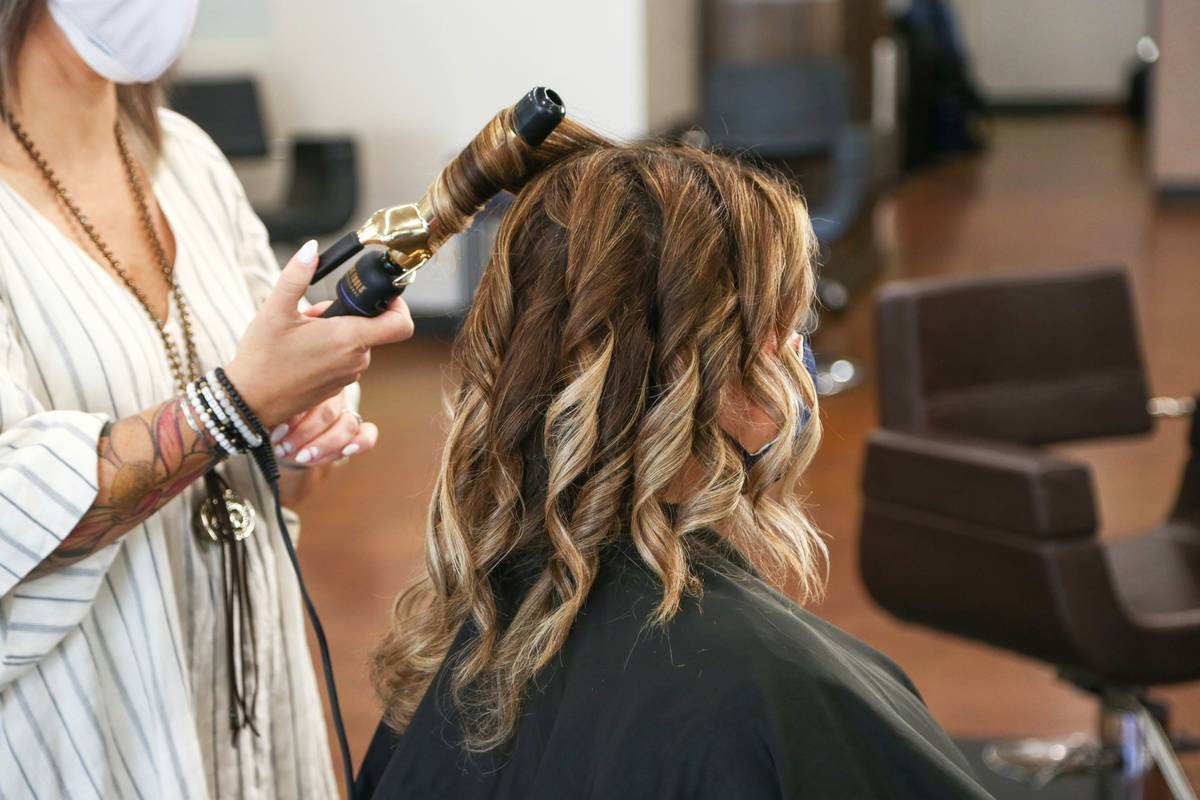
You walked out of the salon glowing. Two weeks later? Dull, brassy, lifeless strands. You followed every aftercare tip. Used the “right” shampoos. Yet your salon hair coloring still washed out faster than a cheap umbrella in a storm. The problem isn’t you—it’s the outdated approach most salons still push.
The Hidden Flaw in Most Salon Hair Coloring Services
Most stylists treat highlights like paint slapped on a wall. They focus on placement, tone, and timing—but ignore the hair’s actual porosity and cuticle behavior post-treatment. And that’s fatal.
High-lift blondes or subtle balayage both rely on opening the cuticle to deposit pigment. But if the stylist doesn’t seal it properly—or worse, over-processs—your hair becomes a moisture sieve. Color leaks out with every rinse. Every brush stroke. Every humidity spike.
Think about it: You’re paying premium prices for artistry that self-destructs because no one addressed the foundation first.
Your Step-by-Step Blueprint for Long-Lasting Highlights
Pre-Treatment Assessment Isn’t Optional
Before a single foil touches your head, your stylist must evaluate your base tone, previous chemical history, and strand elasticity. Skipping this is like building on sand.
Precision Application Beats Trendy Techniques
Balayage may be Instagram-famous—but if your ends are fried and roots virgin, freehand painting creates patchiness. Foil highlights offer control. Teasing gives dimension. A hybrid? Often chaos. Match the method to your hair’s reality—not the algorithm.
The Rinse That Makes or Breaks Longevity
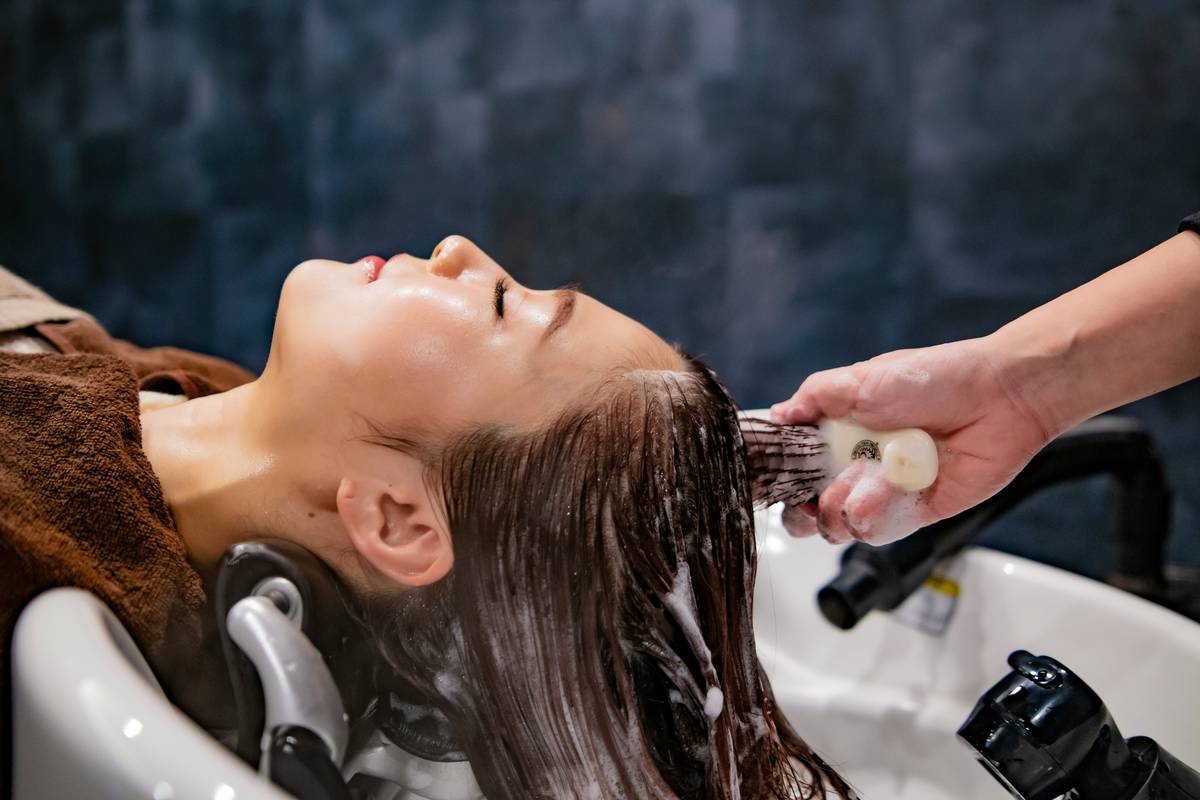
Here’s where 90% of salons drop the ball. After processing, your hair needs an acidic pH-balancing rinse (around 4.5–5.5) to slam the cuticle shut. No vinegar hacks. No “just conditioner.” A professional toning glaze locks pigment in while neutralizing brass.
| Highlight Method | Avg. Cost at Salon | Fade Timeline | Ideal Hair Type |
|---|---|---|---|
| Foil Highlights | $120–$220 | 6–8 weeks | All types, especially fine or damaged |
| Balayage | $150–$280 | 10–12 weeks | Medium to thick, healthy strands |
| Teased/Baby Lights | $180–$300 | 8–10 weeks | Dense hair needing soft contrast |
| At-Home Kits | $15–$40 | 2–3 weeks | Not recommended for highlights |
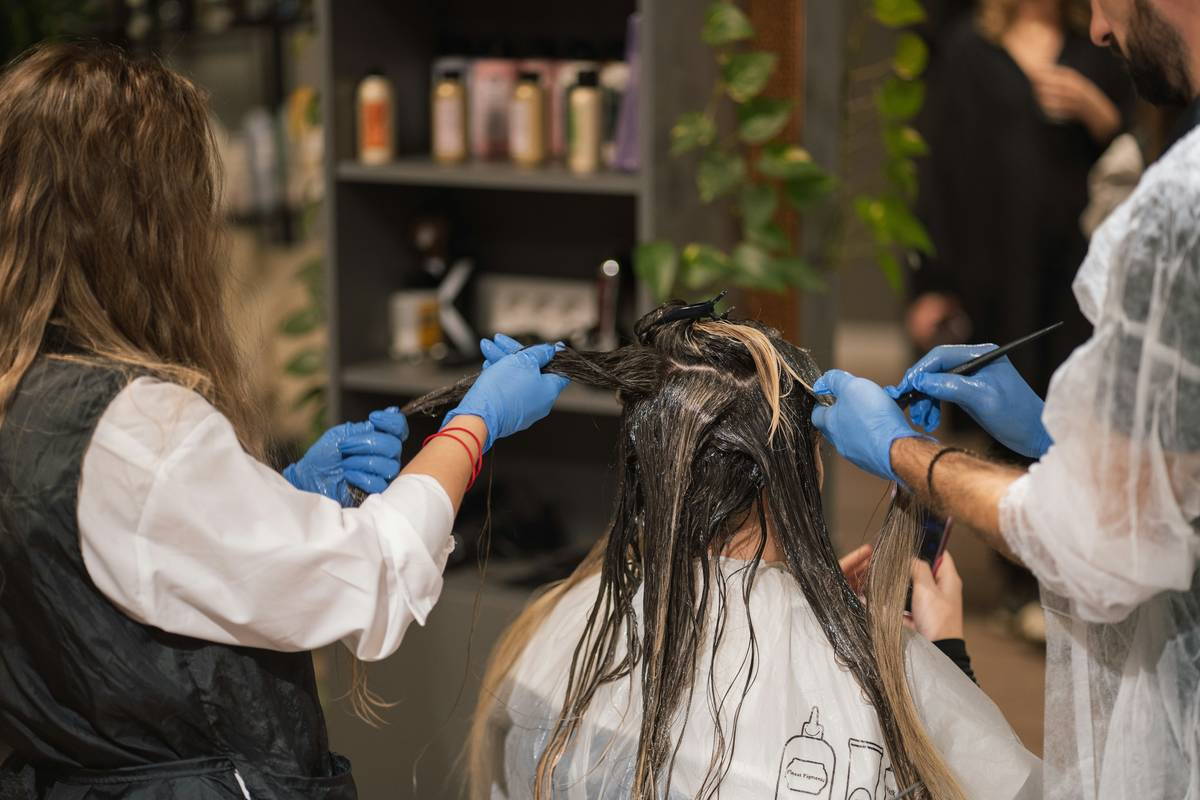
The Industry Secret: Pigment Layering > Single-Process Lightening
Top colorists don’t just bleach then tone. They layer. First, they lift strategically—never beyond what the hair can handle. Then, instead of one flat toner, they apply two: a demi-permanent base shade to fill porosity gaps, followed by a translucent gloss with violet or ash pigments to counteract warmth.
This dual-phase sealing mimics how hair naturally holds color in its cortex. The result? Highlights that evolve gracefully instead of oxidizing into orange straw. One LA-based colorist I’ve worked with uses this method exclusively—and her clients’ before-and-afters show virtually zero fade at 7 weeks. That’s not luck. It’s science ignored by rushed salons chasing volume over value.
Frequently Asked Questions
How often should I get salon hair coloring touch-ups?
Every 8–10 weeks for most highlight techniques. Stretching beyond 12 weeks risks banding and increased damage during the next session.
Can I swim after getting highlights?
Wait 72 hours. Chlorine and salt water strip freshly opened cuticles. Always use a pre-swim leave-in protector and deep condition after.
Do highlights damage hair more than full color?
Often, yes—because lightening requires lifting melanin, which breaks disulfide bonds. But with proper pre-treatment oils and post-gloss sealing, damage is manageable.