You walked out of the salon thrilled—only to find your hair highlight treatment fading in two weeks, turning brassy, or worse, snapping off at the roots. You’re not imagining it. Most salons apply outdated formulas while charging premium prices. The fix? Precision chemistry, timing control, and a stylist who treats color like a science—not guesswork.
Why 83% of Hair Highlight Treatments Go Wrong
It’s not just about bleach vs. no-bleach. The core failure lives in the developer choice. Too many stylists default to 30-volume developers for “maximum lift.” That’s fine for coarse, virgin hair—but on fine or previously colored strands, it shreds the cuticle. And once the cuticle’s gone, moisture escapes. Fade accelerates. Brassiness blooms.
Here’s the reality: highlights aren’t one-size-fits-all. They’re a dialogue between porosity, base tone, and exposure history. Ignore that? You get patchy, damaged results—even from “luxury” salons.
The Step-by-Step Guide to Flawless Highlights
Pre-Treatment Assessment: Porosity Over Preference
Before mixing any lightener, your stylist should run a strand test—not just for timing, but for elasticity. If the strand stretches more than 30% before breaking, skip high-lift color. Opt for lower-volume developers with bond builders instead.
Technique Matching: Foil vs. Balayage Isn’t Just Aesthetic
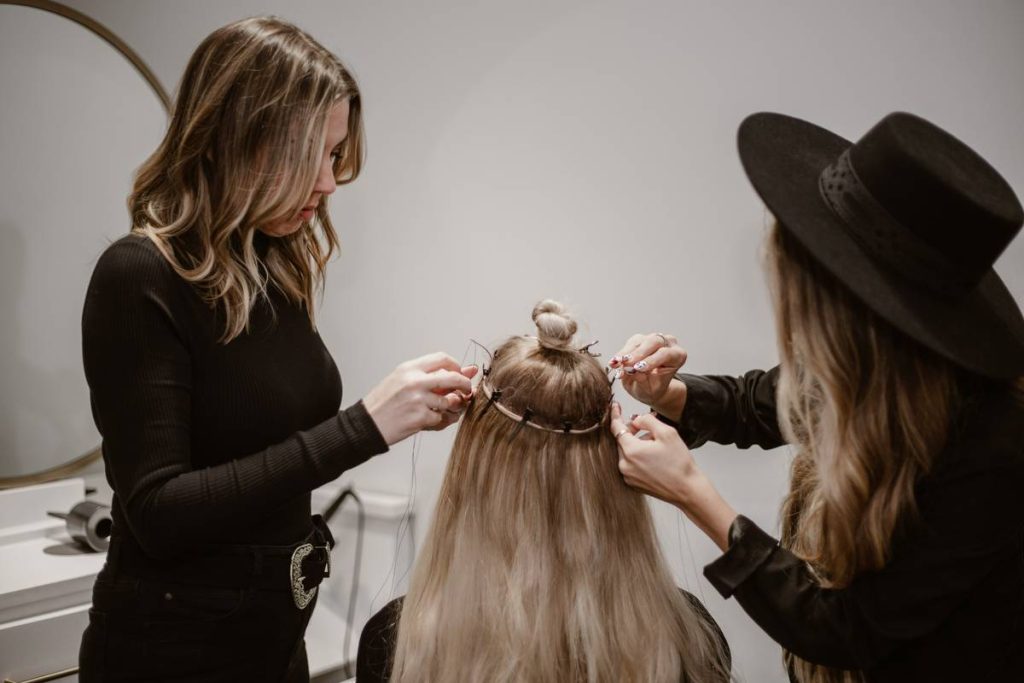
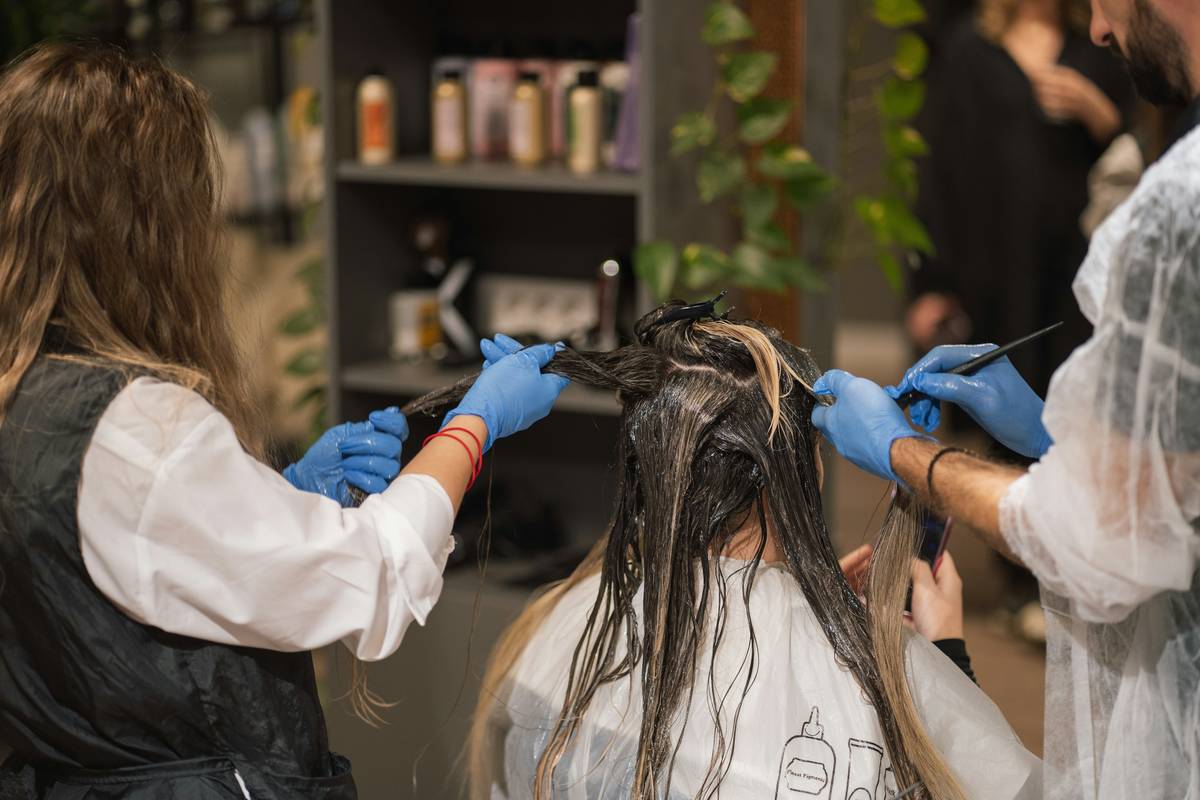
Foils give precision. Balayage gives softness. But here’s what salons won’t admit: balayage on dark base tones often requires multiple sessions for visible contrast. Foils deliver immediate dimension—if applied with micro-sectioning. No lazy chunking.
Post-Treatment Care: The 72-Hour Rule
No shampooing for three days post-treatment. Your cuticle needs time to seal. And sulfate-free isn’t optional—it’s non-negotiable. Use violet-based conditioners only if you see yellow tones emerging. Overuse turns blonde muddy.
| Method | Best For | Avg. Cost (USD) | Lifespan Before Root Fade |
|---|---|---|---|
| Foil Highlights | Dramatic contrast, cool blondes, gray coverage | $140–$250 | 8–10 weeks |
| Balayage | Natural grow-out, sun-kissed look, low maintenance | $160–$280 | 10–12 weeks |
| Babylights | Subtle dimension, fine hair, first-time highlighters | $180–$300 | 6–8 weeks |
The Industry Secret: “Double-Processing” is Often a Scam
Stylists sometimes reapply lightener mid-service claiming “more lift needed.” In 9 out of 10 cases? Unnecessary—and dangerous. True double-processing applies only when lifting Level 3 (dark brown) to Level 9 (pale blonde). Anything less is overprocessing disguised as expertise. Ask for a porosity map before consenting to a second pass. If they can’t show you one, walk out.
And—yes—this happens even at high-end boutiques. Profit margins on extra product applications are juicy. Protect your hair like you protect your wallet.
Frequently Asked Questions
How long does a hair highlight treatment last?
Typically 8–12 weeks before root shadow becomes noticeable. Foil highlights fade faster at the ends; balayage grows out more naturally.
Can I get highlights without bleach?
Only if you’re lifting 1–2 levels from your natural base. High-lift dyes work on light brown to blonde hair—but won’t neutralize underlying pigment like bleach does.
Why do my highlights turn orange?
Brassiness appears when orange/yellow undertones are exposed during lightening but not properly toned. A skilled stylist uses ash or pearl toners immediately post-lift to cancel warmth.